
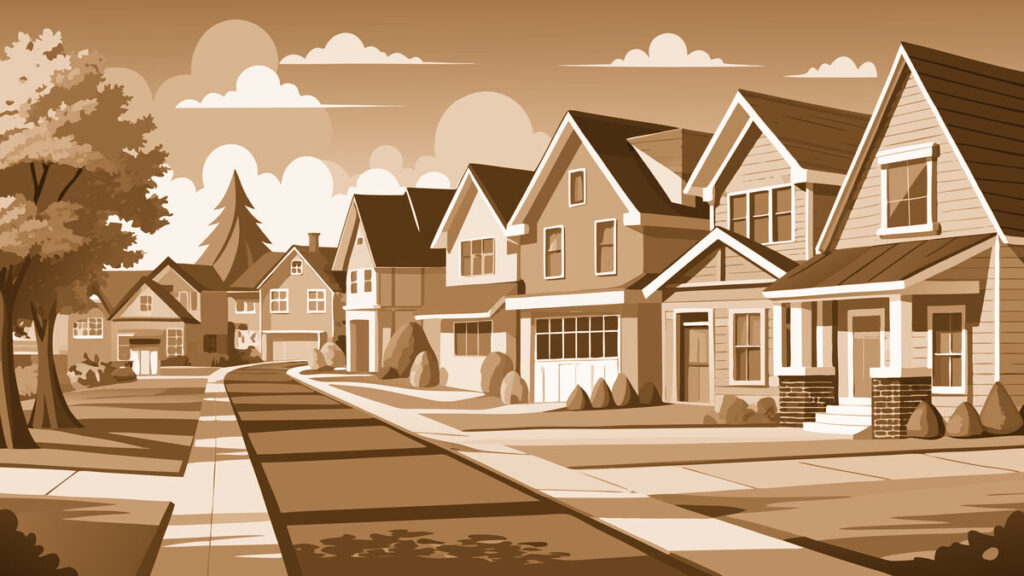
San Diego is a tapestry of neighborhoods, each woven with its own rich history and distinct character. Nestled in the northern corridors of the city lies Sunset Hills, a community that has quietly grown from pastoral beginnings to a thriving residential haven. For those who live here, or visit its gently winding streets, Sunset Hills offers a blend of historical charm, natural beauty, and enduring neighborly warmth.
Origins of Sunset Hills
Sunset Hills’ story begins in the post-World War II era, during a period when San Diego was expanding rapidly to accommodate returning veterans and their families. Unlike the older, denser neighborhoods closer to downtown, the area that would become Sunset Hills was once part of rolling ranchland, with sweeping views of the western sky.
The flat mesa tops and gently sloping valleys attracted developers in the 1950s, seeking the promise of quiet suburbia outside the city center. The nearby presence of Poway Road, once a route for ranchers and traders, became a key thoroughfare, shaping the way the community would emerge.
The Name: A Tribute to the Setting Sun
Ask a long-time resident about the name “Sunset Hills,” and most will point to the breathtaking vistas that inspired it. The western outlook—particularly from elevated spots along Paseo Lucido and Evening Creek Drive—offers an unobstructed view stretching all the way to the Pacific. At dusk, the sky is often ablaze with color, a daily show that neighbors gather on porches and in parks to enjoy.
Legend has it that in the early development meetings, a local realtor remarked, “It’s as if the sun sets just for us here.” The name stuck, and a new community identity was born.
Key Historical Milestones
Sunset Hills’ growth traced the arc of San Diego’s economic and social development:
- 1950s-1960s: Initial subdivisions appeared, with single-story ranch homes and tidy cul-de-sacs shaping the landscape. Utilities and roads followed, making the area more accessible for families seeking a slice of the suburban dream.
- 1970s: The construction of Sunset Hills Elementary School marked a major milestone, creating a hub for young families and cementing the neighborhood’s reputation as kid-friendly and community-centered.
- 1980s-1990s: As the city expanded further, nearby shopping centers like Carmel Mountain Plaza offered residents improved services and amenities, enhancing the convenience of life in Sunset Hills.
- 2000s-Present: Newer housing developments have added architectural variety, while parks such as Rancho Bernardo Community Park and open spaces like Black Mountain Open Space Park have preserved the neighborhood’s connection to its natural roots.
Notable Landmarks and Institutions
Sunset Hills might not boast the grand historical monuments of older San Diego neighborhoods, but it shines in community spaces and local gems:
- Sunset Hills Elementary School: Located on Paseo Lucido, this top-rated school is more than an educational institution—it’s a neighborhood anchor, hosting everything from spring carnivals to family movie nights.
- Rancho Bernardo Community Park: Just a stone’s throw from the heart of Sunset Hills, this sprawling park offers playgrounds, tennis courts, and scenic trails, serving as the communal backyard for many residents.
- Carmel Mountain Ranch Library: While technically just outside the neighborhood’s traditional boundary, this modern library is a favorite gathering spot for book clubs, students, and families alike.
Neighborhood Evolution Through the Decades
Walking down streets like Matinal Road or Ambrosia Lane, you’ll see the traces of each era—older stucco homes with rose gardens standing shoulder-to-shoulder with newer two-story builds featuring solar panels and drought-resistant yards. This blend tells a story of evolution, not erasure; Sunset Hills has grown while maintaining a respectful nod to its roots.
The parks and greenbelts, like those winding along the edges of Devereux Road, offer shady paths for hikers and dog walkers, reinforcing the neighborhood’s enduring commitment to open space and environmental stewardship.
Each fall, the Sunset Hills Community Association—an all-volunteer group—hosts a neighborhood block party, drawing together generations of residents for music, food, and shared stories. It’s traditions like these that transform Sunset Hills from simply an address into a place with real heart.
What Makes Sunset Hills Special
There’s a reason families plant their roots here and stay for decades. It’s the sight of children walking to school in the crisp morning air. The sound of neighbors greeting each other by name at Green Valley Village Market. The warmth of shared holiday decorations lining the houses each December.
The spirit of Sunset Hills is woven from:
- *Community Pride:* Residents look out for one another, creating a strong sense of safety and camaraderie.
- *Access to Nature:* With Black Mountain looming to the east and green spaces everywhere, there’s always a view or a trail to restore the soul.
- *Diverse Architecture:* Original ranch homes, Spanish influences, and modern designs sit side by side, telling the story of decades well-lived.
Looking to the Future
Today, Sunset Hills retains much of its original charm while adapting to the needs of a modern San Diego. Efforts to preserve green spaces, promote sustainable landscaping, and support schools make it a forward-looking community grounded in tradition.
As you stroll through Sunset Hills at dusk, the neighborhood’s name comes to life—a slice of San Diego where each sunset feels especially meaningful and the bonds of history and community grow stronger with every passing year.